

Table of Contents
- Why Synthetic Workout Clothes Cause Irritation: The Four Main Triggers
- Polyester Rash: What It Looks Like and Why It Happens
- Textile Contact Dermatitis: Dyes, Finishes and Chemical Residue
- Sweat, Heat and Friction: How Exercise Makes It Worse
- Workout Clothes for Sensitive Skin: What to Look For
- How to Prevent Chafing From Leggings and Shorts
- A Symptom-Based Guide: Telling Allergy, Irritation, Chafing and Folliculitis Apart
- When to Stop Wearing a Garment and When to See a Doctor
- Frequently Asked Questions
Last Updated: October 19, 2026
Why Synthetic Workout Clothes Cause Irritation: The Four Main Triggers
If your skin stings, itches or breaks out after a gym session, you are not imagining it. Synthetic workout clothes cause irritation through four main triggers: trapped sweat and heat, friction, chemical residue from dyes and finishes, and a fabric surface that holds bacteria. At Stronger Living Shop, we hear from customers who love how stretchy activewear feels but cannot handle the rash that follows. This guide breaks down each trigger, shows you how to tell the causes apart, and explains what to look for instead.
The good news: most irritation is not a true allergy. It is a reaction you can manage.
Below, we cover why synthetic fabric behaves this way, how to spot a polyester rash, and the practical fixes that actually work.
Polyester Rash: What It Looks Like and Why It Happens
A polyester rash usually appears as red, itchy patches in areas where fabric presses against skin: the waistband, inner thighs, underarms and bra line. It tends to show up during or shortly after exercise.
Polyester is a synthetic fiber that does not absorb moisture well. Sweat sits on the skin instead of wicking away. That trapped moisture softens the skin barrier and makes it easier for friction and chemicals to cause trouble.
A common mistake is assuming every red patch means an allergy. Most of the time it is simple irritation, and it settles once you change what you wear and how you wash it.
Irritant Reaction vs. True Fabric Allergy
These two look similar but behave differently.
- Irritant reaction: Redness and stinging confined to where the fabric touches you. Anyone can get it with enough sweat, friction or chemical exposure.
- True fabric allergy: Itching and rash that can spread beyond the contact area. It may worsen with each exposure.
True allergy to polyester fiber itself is uncommon. Reactions are more often linked to what is added to the fabric. If a rash spreads or keeps returning, that is your signal to get it checked.
Textile Contact Dermatitis: Dyes, Finishes and Chemical Residue
Textile contact dermatitis is a skin reaction caused by substances left in or added to fabric, not by the fiber alone. It is one of the most overlooked causes of post-workout itching.
The American Academy of Dermatology's guidance on contact dermatitis notes that rashes can come from dyes, resins and finishes in clothing. Sweat makes it worse by pulling those substances onto the skin.
What most guides miss is that a new garment is the highest-risk garment. Residue from manufacturing sits right on the surface until you wash it off.
Disperse Dyes and Formaldehyde-Based Finishes
Two chemical groups come up again and again.
Disperse dyes are used on synthetic fibers because they bond to polyester. Some people react to them, especially in dark, saturated colors and in tight-fitting clothing where sweat and friction are high.
Formaldehyde-based finishes are used to make fabric wrinkle-resistant or keep it looking crisp. Residual amounts can irritate sensitive skin. The CDC's overview of formaldehyde and health explains that even low-level exposure can cause skin irritation in some people.
This does not mean every synthetic garment is loaded with chemicals. It means the risk is real enough to justify a wash before wear.
Sweat, Heat and Friction: How Exercise Makes It Worse
Exercise stacks the triggers on top of each other. Heat opens your pores. Sweat softens the skin. Friction grinds fabric against that weakened surface. The result is chafing, redness and sometimes small broken patches of skin.
Tight clothing makes it worse. A close fit is fine for support, but seams, tags and hems that rub in the same spot for an hour will win. The inner thigh, underarm and bra line take the most punishment.
There is a bacterial angle too. Synthetic fabric holds odor and moisture longer than cotton. That damp environment lets odor-causing bacteria settle in, and their waste products can add to skin irritation.
Workout Clothes for Sensitive Skin: What to Look For
The best workout clothes for sensitive skin share three traits: a smooth surface, good airflow, and as few chemical extras as possible. Fiber type matters, but construction matters just as much, and most guides stop at "choose natural fibers." The details below go further.
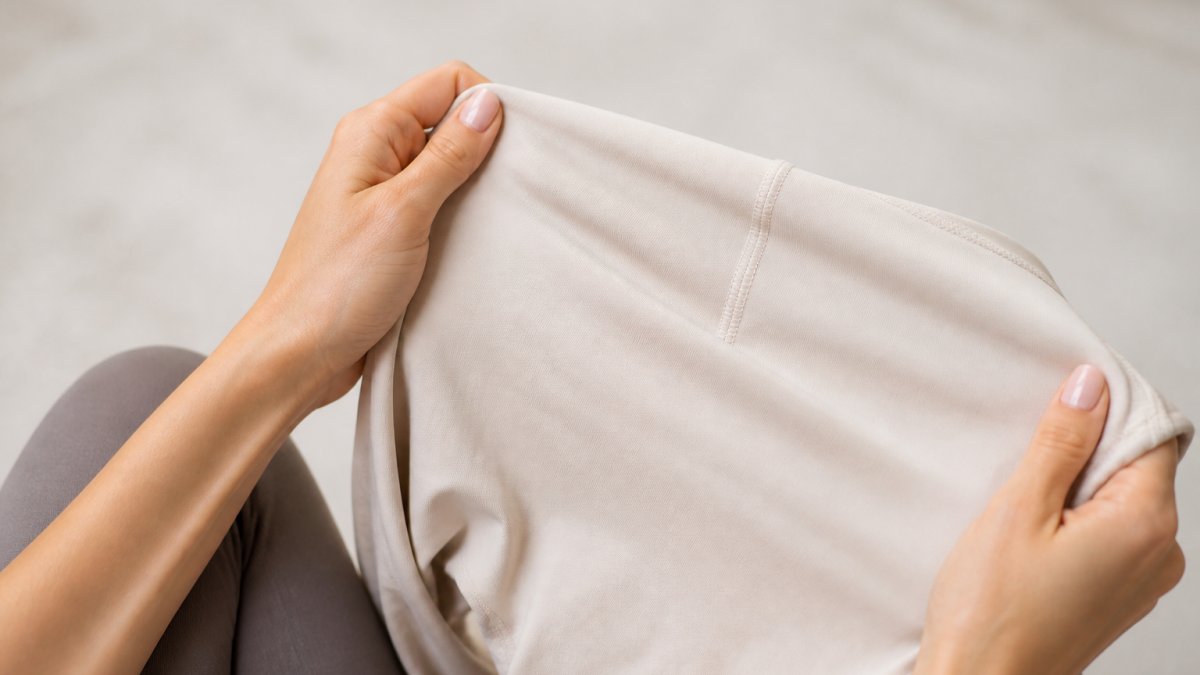
Start with these checks before you buy:
Una-Shop High Waist Pockets Yoga Shorts for Women Sports Push Up Workout →
- Flat seams: Look for flatlock or bonded seams that sit smooth against skin rather than raised stitched seams that rub.
- No tags: Printed labels beat scratchy woven ones, especially at the neck and waistband.
- Breathable panels: Mesh or vented areas help heat escape during long or hot sessions.
- Lighter colors: Fewer and lighter dyes generally mean less chemical load, which matters if you react to disperse dyes.
- A fit that moves: Snug but not compressive enough to dig in; a rolling waistband or riding hem creates a repeat friction point.
- Finish and feel: A stiff, crisp hand feel can signal wrinkle-resistant finishes; a soft, washed feel is often gentler on sensitive skin.
Fiber, Construction and Fit Details That Matter
Fiber is only half the story. A well-made polyester short with flat seams and a loose cut can irritate less than a poorly made cotton legging with a thick waistband. Seams, elastic, compression, finishes, dyes and moisture management may matter as much as whether a garment is synthetic or natural.
Fit deserves its own mention. A waistband that rolls or a hem that rides up creates a repeat friction point, and that single spot is where the rash starts. For high-friction zones, prioritize smooth construction over fiber label.
Natural fibers like cotton breathe well but hold sweat. Fabric blends can balance both. The honest answer is that no fabric is perfect for every body, so test one garment at a time and let your skin guide the rest.
Our Una-Shop high-waist yoga shorts use a nylon and spandex blend with a high waist and slash pockets, a cut that stays put rather than sliding and rubbing. For [hotter sessions, our PHIGEER lightweight yoga shorts](https://strongerlivingshop.com/products/phigeer-yoga-shorts-for-women-lightweight-gym-cycling-workout-shorts-with-pocket-breathable-running-sweatpants-athletic-clothes) are built with a seamless knit and quick-drying fabric to cut down on trapped moisture.


How to Prevent Chafing From Leggings and Shorts
Prevention works best as a repeatable routine with one variable changed at a time. If you change detergent, fabric, fit and laundry habits all at once, you will never know which one helped.
Step 1: Reset the garment. Wash new items once in a plain, fragrance-free detergent before the first wear. Skip fabric softener and dryer sheets, which coat fibers and can trap sweat and residue against skin.
Step 2: Control moisture at the source. Change out of damp activewear as soon as the session ends.
Step 3: Fix the fit at friction points. A waistband that rolls, a hem that rides up, or a seam that sits on the same spot for an hour creates a repeat friction line.
Step 5: Match the routine to the activity and body area. High-friction zones such as inner thighs and underarms need barrier balm and smooth seams. Long workouts and hot climates call for moisture management and prompt changing.
| Problem | Likely Cause | Fix |
|---|---|---|
| Itchy red patches at seams | Friction plus sweat | Flat seams, barrier balm |
| Rash after new leggings | Dye or finish residue | Wash before wear |
| Spreading itch | Possible allergy | Stop wearing, see a doctor |
| Bumps around hair follicles | Folliculitis | Loose fit, shower after |
| Odor that lingers | Bacteria in synthetic fibers | Wash promptly, rotate gear |
A Symptom-Based Guide: Telling Allergy, Irritation, Chafing and Folliculitis Apart
Four common problems get lumped together. Here is how to tell them apart.
- Irritation: Red, dry, stinging skin exactly where fabric sits. Settles within hours of removing the garment.
- Allergy: Itchy rash that can spread past the contact area and returns with each wear.
- Chafing: Raw, burning skin at rub points, often with a visible friction line.
- Folliculitis: Small red or white bumps centered on hair follicles, common on thighs and buttocks after sweaty sessions.
If the bumps are centered on follicles and look like tiny pimples, think folliculitis. If the skin is simply raw at a seam, think chafing. Matching the pattern to the cause saves a lot of guessing.
When to Stop Wearing a Garment and When to See a Doctor
Stop wearing a garment if the rash returns every time you put it on, if it spreads beyond the contact area, or if itching keeps you awake. Those patterns point to a reaction the fabric itself is causing.
See a doctor if you notice any of the following:
- A rash that does not clear within a week
- Blisters, oozing or open skin
- Signs of infection such as warmth, swelling or pus
- Breathing trouble or swelling of the face, which needs urgent care
Bring the garment with you. A dermatologist can patch test and identify the specific trigger, which is far faster than trial and error. The NHS guidance on when to seek help for a rash is a useful starting point for judging urgency.
Frequently Asked Questions
Does polyester cause rashes?
Polyester itself is not usually the direct cause, but it can contribute to rashes in several ways. The fabric traps sweat and heat against the skin, which can lead to irritation and chafing. Some polyester garments also carry dye residue or finishing chemicals that trigger textile contact dermatitis in sensitive people. If you notice a rash after wearing polyester, wash new items before use, try looser fits, and switch to moisture-wicking blends with fewer chemical finishes to see if symptoms settle.
Why do synthetic workout clothes make my skin itch?
Synthetic workout clothes can itch because they hold moisture and heat close to the body, and friction from movement adds to the problem. Chemical residue from dyes and finishes may also play a role for some wearers. Try washing garments before the first wear, choosing seamless or flatlock construction, and rotating in natural-fiber or breathable blend options for high-sweat sessions. If itching continues on every synthetic garment you own, a dermatologist can help rule out a true fabric allergy.
How can I prevent a rash from workout clothes?
Prevention comes down to a few consistent habits. Wash new workout clothes before wearing them to remove surface chemical residue. Shower soon after exercise so sweat does not sit on the skin. Choose moisture-wicking fabrics with flat seams and a fit that does not dig in. Avoid fabric softeners and harsh detergents, which can leave residue. If you are prone to chafing, apply a barrier balm to high-friction areas before activity and change out of damp clothes as soon as possible.
Should I stop wearing polyester if it irritates my skin?
Not necessarily. Many people wear polyester blends without issues, and the irritation often comes from fit, moisture, or chemical finishes rather than the fiber alone. Try washing new garments, choosing looser cuts, and testing one item at a time. If symptoms persist across multiple polyester pieces, switch to natural fibers or blends for a few weeks and see whether the rash clears. If it does not improve, or if the reaction is severe, speak to a doctor before continuing.
Sensitive skin should not keep you out of the studio. Stronger Living Shop curates activewear with intentional design and quality-first construction, including high-waist shorts and seamless quick-dry styles built to move without rubbing. If you want gear that supports your routine instead of fighting your skin, explore our collection and find the fit that works for you.